

Introduction:
In the ever-evolving landscape of IT security, biometric authentication stands out as a beacon of innovation and reliability. This article delves into the transformative role of biometrics, exploring its potential to shape the future of IT security and redefine how individuals and organizations protect sensitive information.
The Rise of Biometric Authentication:
Definition and Diversity:
Biometric authentication utilizes unique physical or behavioral characteristics for user identification. From fingerprints and facial recognition to voice and iris scans, the diversity of biometric modalities enhances security.
Eliminating Password Vulnerabilities:
Biometrics eliminates the reliance on traditional password-based authentication, reducing the risk of password-related vulnerabilities such as weak passwords, sharing, or unauthorized access.
Enhanced Security:
Biometric data, being inherently unique to each individual, provides a robust layer of security. This uniqueness, coupled with advanced algorithms, significantly reduces the likelihood of unauthorized access.
Biometrics in Action:
Fingerprint Recognition:
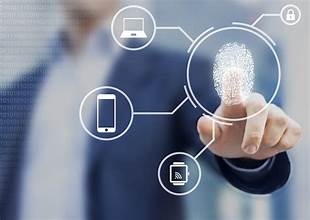
Widely adopted, fingerprint recognition is a mature and reliable biometric method. Its simplicity and accuracy make it a preferred choice for various applications, from smartphones to secure access points.
Facial Recognition:
Advancements in facial recognition technology offer seamless and contactless authentication. Facial features are analyzed to create a unique biometric profile, enhancing user convenience.
Voice Recognition:
Voice biometrics relies on unique vocal characteristics, providing a natural and non-intrusive authentication method. It finds applications in call centers, voice-activated devices, and secure voice-controlled systems.
The Future Outlook:
Biometric Multifactor Authentication:
The future of IT security lies in combining multiple biometric modalities for enhanced security. Biometric multifactor authentication adds an extra layer of complexity, making it more challenging for attackers to compromise.
Continuous Authentication:
As technology evolves, continuous authentication using biometrics is gaining prominence. Systems continuously verify the user’s identity during the entire session, adapting to potential changes in behavior or environment.
Biometrics in IoT and Wearables:
With the proliferation of Internet of Things (IoT) devices and wearables, biometric authentication is extending its reach. Biometrics ensures secure access and personalized experiences across interconnected devices.
Challenges and Considerations:
Privacy Concerns:
Biometric data raises privacy concerns, emphasizing the need for robust data protection measures. Encryption and secure storage are crucial to safeguarding individuals’ biometric information.
Spoofing and Biometric Liveness Detection:
Addressing potential spoofing attempts is essential. Biometric liveness detection technologies ensure that the presented biometric data is from a living, authentic user, mitigating the risk of impersonation.
Conclusion:
Biometric authentication emerges as a cornerstone in the future of IT security, offering a seamless, secure, and user-friendly approach to identity verification. As organizations prioritize stronger authentication methods, biometrics is positioned to play a pivotal role in safeguarding digital assets and ensuring a resilient defense against evolving cyber threats. Embracing biometric authentication is not just a technological shift; it represents a transformative leap towards a more secure and user-centric future in IT security.