Introduction:
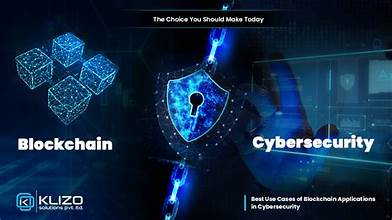
Blockchain technology has emerged as a game-changer, not only in the realm of cryptocurrencies but also in enhancing IT security. This article delves into the symbiotic relationship between blockchain and IT security, exploring how blockchain’s decentralized and immutable nature contributes to a more resilient and secure digital landscape.
Understanding Blockchain in IT Security:
- Decentralization and Security: Explore how the decentralized nature of blockchain removes single points of failure, making it inherently resistant to unauthorized alterations and ensuring data integrity.
- Immutable Record-Keeping: Delve into the concept of immutability in blockchain, understanding how once data is recorded, it cannot be altered. This feature enhances the trustworthiness of stored information, crucial for secure systems.
- Smart Contracts for Automated Security: Examine the role of smart contracts in automating and enforcing security protocols. Learn how these self-executing contracts enhance the reliability of transactions and agreements within IT systems.
Applications of Blockchain in IT Security:
- Securing Identity Management: Explore how blockchain provides a secure framework for identity management by enabling users to control and share their identity without relying on centralized authorities.
- Data Integrity and Authentication: Understand how blockchain ensures the integrity and authenticity of data by creating a transparent and tamper-resistant ledger, reducing the risk of unauthorized access or manipulation.
- Supply Chain Security: Investigate how blockchain improves supply chain security by creating an immutable record of transactions and events, enabling traceability and reducing the risk of fraud and counterfeiting.
- Cryptographic Security: Examine the cryptographic principles employed by blockchain, including hashing and encryption, to ensure secure data transmission and storage.
Challenges and Considerations:
- Scalability Issues: Discuss the scalability challenges associated with blockchain technology and explore ongoing developments to address these issues without compromising security.
- Regulatory Landscape: Consider the evolving regulatory environment surrounding blockchain and its impact on ensuring compliance and legal frameworks in IT security.
Future Outlook:
- Integration with Traditional Security Measures: Explore how blockchain can complement traditional security measures, creating a harmonious integration that strengthens overall cybersecurity.
- Evolution of Decentralized Applications (DApps): Discuss the potential of decentralized applications built on blockchain, providing secure alternatives to traditional centralized systems.
Conclusion:
The symbiotic relationship between blockchain and IT security opens new frontiers for building resilient, transparent, and secure digital ecosystems. As blockchain technology continues to mature, its applications in securing identity, data, and transactions highlight its potential as a transformative force in the field of IT security. Embracing blockchain represents not just a technological shift but a paradigm change, redefining how we approach and implement cybersecurity in the digital age.